
Choosing the Best Material for Your New Fence
Choosing the right material for your new fence is crucial for durability, aesthetic appeal, and overall value. Selecting a material suited to your property’s needs can prevent frequent repairs, reduce maintenance costs, and enhance curb appeal. This guide examines the most common fencing materials, their pros and cons, and ideal applications. Understanding these factors allows homeowners to make informed decisions, ensuring long-term satisfaction and alignment with both functional and stylistic goals. According to the Fredonia Group, residential fencing accounts for over half of the total market value, emphasizing the importance of making the right choice. Hiring a reliable fence contractor can streamline this process and ensure professional installation.
Wood Fencing
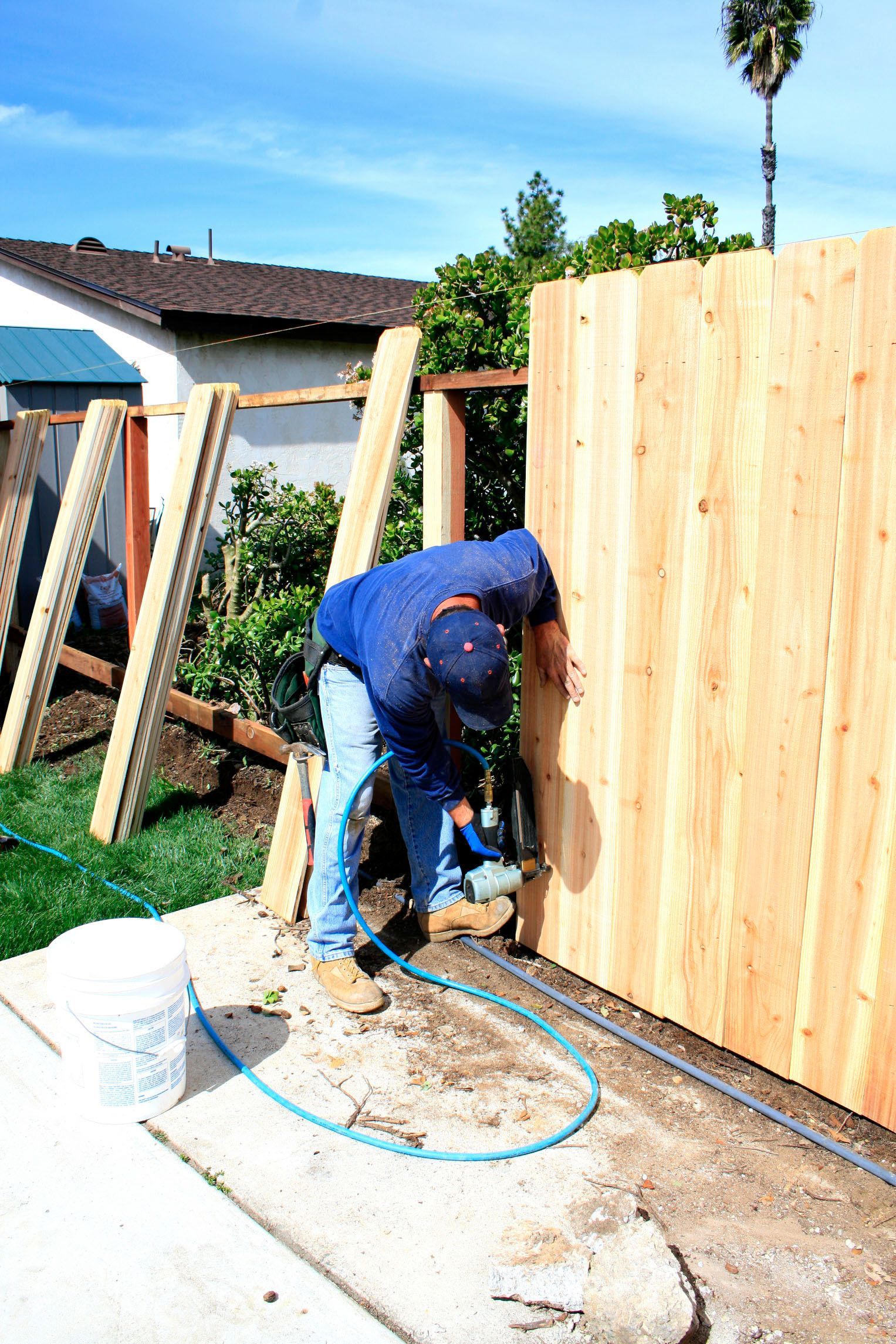
Wood fencing remains a popular choice for its natural beauty and versatility. Common options like cedar, pine, and redwood offer unique characteristics: cedar resists rot and insects naturally, pine is more affordable with treatment, and redwood combines durability with aesthetic appeal at a higher cost. Wood fences can be customized in a variety of styles, including classic picket or modern horizontal designs, and can be painted or stained to match a home’s exterior. Homeowners who value a timeless, natural look often prefer wood fencing, particularly in residential settings where visual appeal and harmony with the landscape are important. Engaging a professional fence contractor ensures proper material selection and installation to maximize longevity.
Another advantage of wood fencing is its ability to provide privacy and noise reduction. Tall, solid panels can create a secluded outdoor space, making yards more enjoyable and secure for families and pets. Wood also naturally absorbs sound better than metal or vinyl, which can help reduce noise from nearby streets or neighbors. This makes wood an ideal choice for residential areas where both aesthetics and functionality are important.
Wood fencing also allows for creative customization beyond basic styles. Homeowners can incorporate decorative lattice tops, carved designs, or integrated planters to enhance both the fence and the surrounding landscape. Staining or painting the wood in unique colors can further complement the home’s exterior, creating a cohesive and attractive outdoor environment. Working with an experienced fence contractor ensures these customizations are implemented correctly, preserving structural integrity while achieving the desired visual impact.
Vinyl Fencing
Vinyl fencing offers durability and minimal maintenance, making it a practical option for busy homeowners. Constructed from polyvinyl chloride (PVC), vinyl resists rot, warping, and pests while maintaining a clean, modern appearance. It comes in multiple colors and styles, eliminating the need for painting or staining. Vinyl is ideal for families seeking low-maintenance solutions, and many products include warranties for added assurance. While the initial cost is higher than wood, long-term savings on maintenance and the fence’s resilience make it cost-effective. A skilled fence contractor can handle proper installation, ensuring panels are aligned correctly and the structure remains stable over time.
Vinyl fencing also excels in providing consistent privacy and security. Unlike wood, which can develop gaps or warp over time, vinyl panels maintain their shape and alignment, creating a reliable barrier. This makes vinyl a great option for homes with children or pets, as it helps keep outdoor spaces safe and contained. Additionally, its smooth surface reduces the risk of splinters or injuries, offering a safer environment compared to traditional wood fences.
Another benefit of vinyl fencing is its resistance to environmental damage. Harsh weather conditions, such as heavy rain, snow, or intense sun, have minimal impact on vinyl compared to wood or metal. It does not absorb moisture, preventing mold and mildew growth, and its color remains vibrant longer with minimal fading. Engaging a professional fence contractor ensures that vinyl panels are properly secured and anchored, maximizing both the longevity and aesthetic appeal of the fence while protecting the homeowner’s investment.
Metal Fencing
Metal fences, including steel, aluminum, and wrought iron, are prized for strength and security. Steel provides robust protection, aluminum is lightweight and rust-resistant, and wrought iron combines ornamental beauty with durability. Metal fencing offers longevity and high structural integrity, making it suitable for both residential and commercial properties. While initial costs can be higher and rust protection is necessary, proper maintenance can preserve both function and aesthetics. Hiring a knowledgeable fence contractor guarantees correct assembly and treatment, protecting your investment and ensuring safety and style for your property.
Metal fencing also allows for a wide range of decorative and functional designs. Wrought iron, in particular, can be customized with intricate patterns and ornamental features that enhance curb appeal while maintaining security. Aluminum and steel can be powder-coated or painted in various colors to complement a home’s exterior or blend with landscaping, offering both style and versatility. A skilled fence contractor can help homeowners choose designs that balance aesthetic preferences with functional needs, ensuring the fence enhances the property’s overall appearance.
Another advantage of metal fencing is its low long-term maintenance compared to wood. While periodic inspections for rust or damage are necessary, properly treated metal fences can last for decades with minimal upkeep. Steel fences may require occasional repainting, and aluminum generally resists corrosion naturally, making it ideal for coastal or humid areas. Professional installation by a qualified fence contractor ensures proper anchoring and alignment, which not only increases durability but also reduces the risk of structural issues over time.
Composite Fencing
Composite fencing blends wood fibers with plastic, providing the appearance of wood without the extensive maintenance. Resistant to rot, pests, and warping, composite fences are a long-lasting and environmentally friendly option. Available in various colors and textures, they suit a range of architectural styles. Initial costs may be higher than traditional materials, and repairs can require section replacements, but the durability, low maintenance, and eco-friendly aspects make composite fences a practical long-term investment. Working with a professional fence contractor ensures that the fence is installed correctly, maximizing its lifespan and aesthetic benefits.
Chain Link Fencing
Chain link fencing, made of interwoven steel wires, provides security, visibility, and cost-efficiency. Coated with galvanization or PVC, these fences resist rust and weathering. While chain link fences are less visually appealing than wood or vinyl, they are extremely practical for schools, parks, or construction sites due to their low maintenance and durability. Privacy slats, PVC coatings, or barbed wire can enhance security and aesthetics. For homeowners seeking affordable and durable boundary solutions, a professional fence contractor can customize and install chain link fencing to meet specific security and visual requirements.
Bamboo Fencing
Bamboo fencing is a sustainable, eco-friendly option with unique visual appeal. Variants include rolled bamboo, panel bamboo, and reed bamboo, each offering distinct textures and levels of structure. Bamboo grows quickly, is lightweight, and naturally resists pests and weathering. Maintenance involves occasional sealant application and cleaning to preserve appearance. While sensitive to moisture and extreme climates, bamboo is ideal for decorative gardens, tropical landscapes, or eco-conscious residential projects. Partnering with a skilled fence contractor ensures proper installation, treatment, and longevity of bamboo fencing.
Selecting the best fencing material depends on budget, aesthetic preferences, maintenance requirements, and the property’s intended use. Wood, vinyl, metal, composite, chain link, and bamboo each offer unique benefits and limitations. Engaging a professional fence contractor ensures proper material choice, expert installation, and long-term satisfaction. According to the Fredonia Group, over half of the fencing market is residential, highlighting the importance of informed decisions. For reliable and quality fencing solutions, contact Sears Fence of Wilmington LLC to secure expert guidance and professional installation tailored to your needs.



Share On: